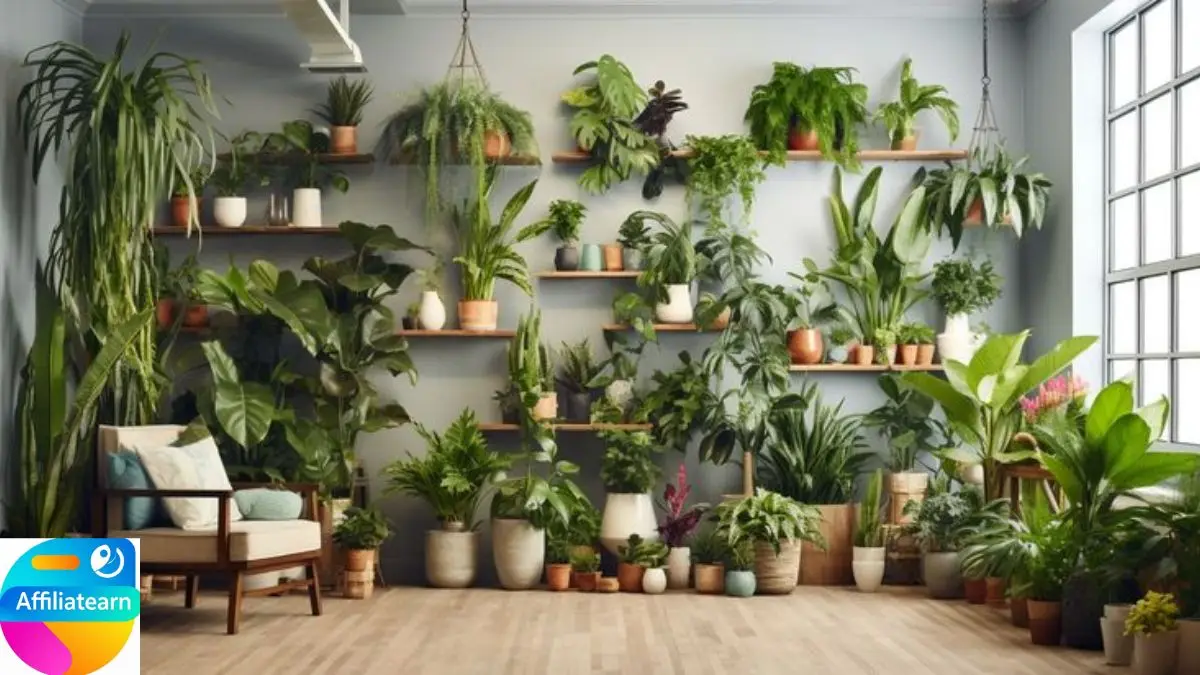
Best Plants in Dark Areas: Low Light Indoor Plants that Grow Easy

The common idea is that many individuals would like to have indoor plants but fear the lack of sunlight in the house. Small rooms, apartments and offices usually lack sufficient natural light. Due to this reason, newcomers might feel that it is hard to grow indoor plants. Nonetheless, numerous indoor plants are able to endure and even to flourish in the low-light levels. They do not need direct sunlight and can grow with little attention as well. Thus, they are ideal among the novice and the busy people. Indoor plants can also be heavily used to decorate the low light areas. The greenery and freshness can be added to the rooms without the need of constant attention. In the meantime, most of these plants also assist in improving the quality of air.
Best Plants in Dark Areas: Low Light Indoor Plants that Grow Easy
Why Choose Low Light Plants
Homes that have low sunlight should be fitted with low light plants. They are able to develop in indirect or filtered light rooms. Owing to this reason, they fit well in apartments, offices, and indoors corners. Such plants can also be maintained easily. They do not need as much watering and attention as other plants do. Thus, it allows beginners to cope with them without significant efforts. The other strength is their flexibility. There are other indoor conditions that low light plants can withstand. In the meantime, they continue to offer the advantages of green and air purification.
Snake Plant
Snake plant is among the exemplary low light indoor plants. It is able to tolerate very low lighting conditions and needs little watering. Since it is very strong, it is ideal in the hands of novices. The air is also purified by this plant. It gets rid of toxic substances and enhances the indoor air quality. It, at the same time, has long and straight leaves that introduce a contemporary appearance to interiors. Snake plant is a slow growing but healthy plant even when sufficiently cared of. Thus, it is a great selection in dark locations.
ZZ Plant
Another popular low light indoor plant is ZZ plant. Its shiny green leaves render it attractive to the eyes. It is low light tolerant and does not need to be watered frequently. Its solid roots enable it to hold the water and live long without the worries. Thus, it is perfect when one forgets about watering plants frequently. ZZ plant is also not vulnerable to pests and diseases. In the meantime, it can flourish in offices and areas that have artificial light.
Pathos (Money Plant)
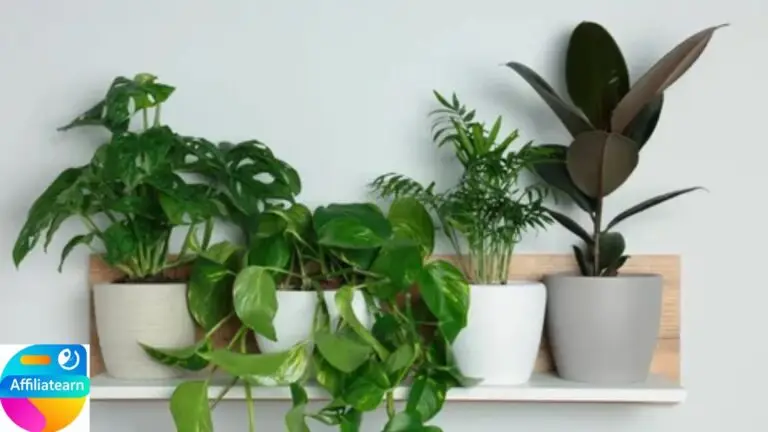
One of the plants that are simple to grow indoors is pathos. It can survive under low lights and propagate at a quick pace in other circumstances. Due to the trailing vine, it suits well in hanging of pots and shelves. The care of this plant is minimal. It is able to grow both in soil and water hence being suitable to beginners. In the meantime, pathos also purifies indoor air. It is also normally used to decorate due to appealing leaves. Thus, it is a Favorite to use as an indoor garden.
Peace Lily
Peace lily is an attractive indoor flower that will thrive in the low-light conditions. It gives white flowers which improve inside areas. Due to its beautiful nature, it is heavily used as a decoration. This is a plant that is indirect and medium-watered. Thus, beginners are easily manageable. Peace lily is also effective in enhancing the quality of air by eliminating toxins. At the same time, it introduces a new freshness and tranquillity of the household spaces.
Spider Plant
Another low maintenance plant that grows indoors is the spider plant. is able to develop under low light and needs only little attention. It is adaptable and hence suitable to beginners. It is a fast-growing plant, which produces small plantlets. They can be replenished to form new plants. In the meantime, the spider plants are used to improve indoor air quality. They are usually applied in the decoration of homes. As such they are handy as well as appealing.
Advice on Growing Low Light Plants
Plants that require low light also require indirect light in order to grow. It is advisable to keep them close to windows or other artificial lights so as to keep them healthy. Hence, it is necessary to select an appropriate location. The watering must be done sparingly. Roots can be damaged by overwatering, particularly in the low light situations. In the meantime, the draining pots with holes can be used to avoid surplus of water. Washing the leaves of the plants will also enable it to absorb more light. Thus, easy care procedures can enhance the growth of plants.
Common Mistakes to Avoid
Numerous amateurs overwater the dark plants. Due to the lower amount of water required by these plants, too much watering would result in root rot. As such, it is important to water on demand. The growth of plants can be retarded by putting them in completely dark spaces. Meanwhile, there is some indirect light that is required to survive. Poor soil may also be used to influence the health of plants. Hence, selecting good soil contributes to the improved growth of plants. The prevention of such mistakes will guarantee healthy growth of plants.
The Advantages of Low Light Indoor Plants
Plants that grow in low light have a number of advantages. They increase the quality of the air and provide a relaxing atmosphere. Indoor space is made attractive because of their greenery. They also alleviate stress and elevate stress. At the same time, they also need less servicing, and this makes them appropriate to busy people. The low light plants are ideal when a beginner needs to commence indoor gardening.
Conclusion
Plants that grow in low lighting conditions are suitable in houses where there is insufficient sunlight. They are not difficult to keep and they have numerous advantages. Snake plant, ZZ plant, pathos, and peace lily are examples of plants that can easily thrive in low-light environment. As such, these plants are easy to begin with. Any person can cultivate healthy indoor plants by observing some straightforward care advice and ensuring that one does not make the most common errors. In the meantime, plants enhance living conditions and health.