Best Soil to Grow Plants and Gardening: Try to Grow Healthy

Introduction
The growth of plants depends on the soil. Most of the beginners concentrate on watering and sunlight yet they neglect the quality of soil. This is the reason why plants cannot grow well even when well taken care of. Healthy plants require the selection of the appropriate soil. Soil gives nutrients, it supports roots as well as conserving moisture. Thus, the knowledge of types of soil is crucial to gardening success. Various plants demand diverse soils. In the meantime, poor growth and diseases of the plant may also occur when the wrong soil is used. This guide describes the ideal soil with plants and the way of selecting the appropriate one to use in gardening.
Problems and solutions with common plants: a complete guide to healthy plants
Why Soil Quality Matters
Plant health is largely a factor of soil. It provides necessary nutrients needed by plants to develop. Due to this, the weak plants can be as a result of poor soil. Roots are also able to grow in good soil. Meanwhile, it lets the water and air penetrate the roots of plants. Good soil enhances productivity and growth of plants. Soil quality is thus worth investing on.
Types of Soil for Gardening
Soil used in gardening is of different type. The types have individual characteristics that influence the growth of plants. It is due to this that the right type should be selected. The sandy soil is fast draining. Meanwhile, clay soil holds more water but it can become hard. The loamy soil is regarded to be the most conducive to most plants. As such, it offers an equal combination of drainage and nutrients.
Loamy Soil
Gardening and soil Loamy soil is the best. It is composed of sand, silt and clay in equal proportion. Owing to this, it is good in draining and retaining nutrients. This soil is favourable to the growth of roots. In the meantime, it enables circulation of air. Majority of the plants thrive in fertile soil. That is why it is extensively suggested to garden.
Sandy Soil
Sandy soil contains coarse particles and it drains fast. It can retain moisture, therefore, not long. This kind of soil is appropriate to plants that do not require a lot of water. In the meantime, it is simple to manipulate. Organic matter is added to sandy soils to enhance them. Thus, it assists in the preservation of nutrients and water.
Clay Soil
Clay soil contains small particles and has a longer retention of water. Due to this reason, it may get heavy and compact. This is a fertile soil which is high in nutrients but this can inhibit root growth. In the meantime, root rot may be caused by poor drainage. Clay soil is enhanced by the mixing of sand or compost. Hence, it becomes more appropriate to plants.
Potting Soil of House plants
Plants placed indoors need special potting soil. This is lightweight soil which offers good drainage. It is due to this that it prevents waterlogging. Compost, peat and perlite are common constituents of potting soil. In the meantime, it promotes the healthy growth of roots. Applying good potting soil enhances the growth of indoors plants. Thus, it is crucial to container gardening.
Organic Soil Mix
Natural materials that are found in organic soil include compost and manure. Due to this fact, it supplies plants with important nutrients. Organic soil enhances soil structure and soil fertility. In the meantime, it helps to make plants healthy in the long-term. The utilization of organic soil lessens the use of chemical fertilizers. Thus, it is more sustainable in gardening.
Soil Drainage Importance
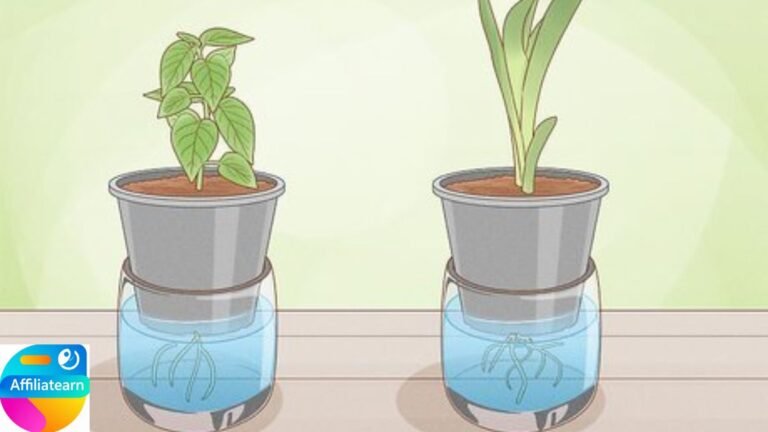
The proper draining of the soil is necessary to the plants. The amount of water is excessive and results in root damage and illnesses. Due to this reason, soil is supposed to be permeable to water. Lack of drainage results in water pollution. In the meantime, this may cause root rot. Sand or perlite helps in enhancing drainage. Hence, it serves to keep healthy plants.
Soil pH and Its Role
The pH of soil influences the availability of nutrients. It has plants that like acidic soil and plants that require neutral or alkaline soil. Due to this reason, it is significant to test the pH of soil. Wrong pH levels may inhibit the absorption of nutrients. In the meantime, plants can exhibit retarded growth. The pH of the soil should be adjusted to better the health of plants. Consequently, the knowledge of pH is useful in improved gardening.
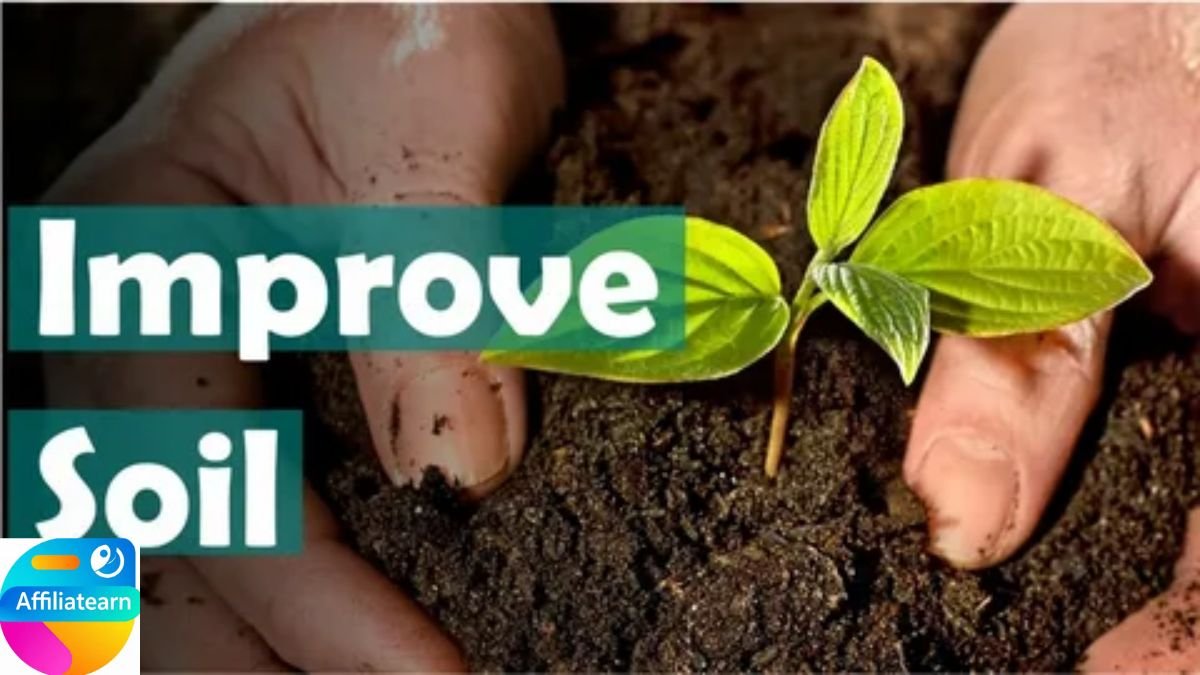
How to Improve Soil Quality
Enhancing the quality of soil is valuable towards an enhanced plant growth. The addition of compost enhances the levels of nutrients and structure. Due to this fact, plants become stronger. The balance of the environment is achieved by mixing different soil types. In the meantime, it enhances drainage and retention of moisture. Frequent maintenance of the soil is a guarantee of long-term profits. Consequently, it is necessary to retain soil quality.
Mistakes to be avoided in Soil Common
One of the usual pitfalls is the use of low-quality soil. Plants can consequently fail to grow well, due to this. The soil structure can be destroyed through overwatering. In the meantime, it can result in underlying issues. Neglect of drainage can impact on the wellbeing of the plants. Thus, the selection of the soil is significant These mistakes should be avoided in order to achieve better results.
Benefits of Good Soil
Soil is healthy in growth of plants. It supplies nutrients and enhances development of roots. Due to this, plants multiply at an increased rate. It also assists in maintenance of moisture balance. In the meantime, it minimizes the threat of diseases. The healthy soil enhances the quality of the gardens. Thus, successful gardening requires its presence.
Conclusion
The selection of the most appropriate soil to be used on the garden is a key factor in the success of gardening. Plants need different soils and by knowing their needs then growth is enhanced. This is achieved by using loamy soil, organic matter, and proper drainage hence healthy plants. Thus, newcomers must pay attention to the quality of soil. In the meantime, regular soil enhancement assists in sustaining the health of plants in the long run.