How to Garden in a Container: Planting Guide to Grow in Small Containers

Introduction
Container gardening is an easy and practical method of plant cultivation in the house. It fits well in individuals who are living in apartments or have not got much outdoor space. Owing to this reason, container gardening is a Favourite instead of starting with the beginners. In container gardening, it is possible to have plants in grow bags, pots or boxes. In this way, it is flexible and simple to relocate plants when necessary. Hence, it is suitable in small houses and terraces. Container gardening also ensures the control of the quality of the soil and watering. In the meantime, it simplifies the care of plants among the novices. The following guide will help one to begin with container gardening and thrive in growing plants.
Basic Gardening Advice: Easy Way to Start Gardening
What Is Container Gardening
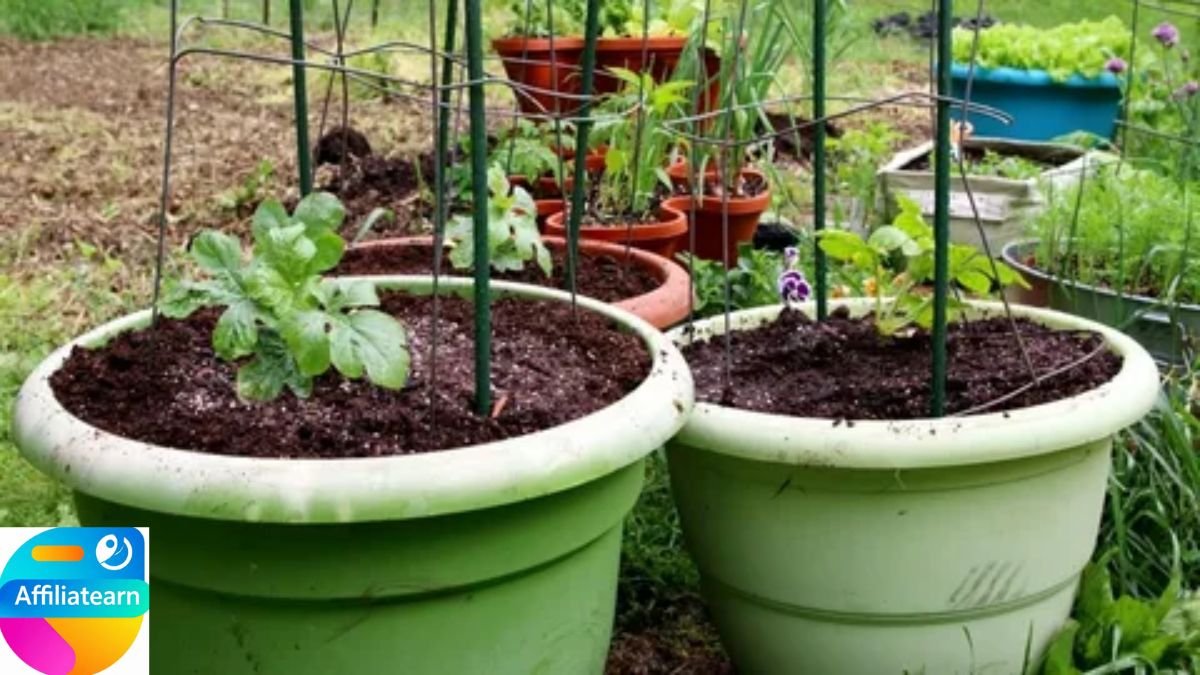
Container gardening refers to the cultivation of plants in containers as opposed to soil. These containers may be pots, buckets or boxes. Due to this, plants may be cultivated on any area. The technique can be used in indoor and outdoor gardening. Thus, it is applicable in small areas and apartments. In container gardening, there is easier control of the plant care. In the meantime, it assists in the effective control of soil, water, and sunlight.
Selection of the Appropriate Containers
The choice of the proper container is significant to the growth of plants. There ought to be draining holes on containers to eliminate surplus water. It is due to this that roots are healthy. The dimension of the container varies according to the plant. Plants of larger size require larger pots. Thus, the right size will enhance growth. Containers with light weight are portable. In the meantime, they permit of versatile planting.
Selecting the Right Soil
Container gardening is associated with soil. Soil that has good amounts of nutrients facilitates growth of roots. Due to this fact, it is necessary that good quality soil is used. Containers are usually potted using potting mix. Consequently, it gives adequate drainage and water retention. Compost helps in enhancing the fertility of the soil. In the meantime, it contributes to the growth of plants and their well-being.
Choosing the Right Plants
Not every plant can fit into the containers. Novices ought to select those plants that grow in a small space. Due to this reason, the appropriate plants will make success. Small vegetables, herbs and flowering plants are the best. As such, plants such as mint, basil, and marigold can be used. Knowledge of plant needs assist in improved growth. In the meantime, when one picks easy plants, the act of gardening is simplified.
Proper Watering Techniques
Container gardening is related to watering. The containers dry quicker compared to earth soil. Due to this, it is possible that plants require increased watering. Moisture in the soil should be checked to prevent difficulties before watering the soil. That is why watering is recommended to be done on demand. Roots may be damaged through overwatering. In the meantime, adequate drainage will avoid accumulation of water.
Provision of Sufficient Sunshine
The growth of plants requires sunlight. The majority of the ornamental plants in containers need 4-6 hours of sunlight per day. Due to this, it is significant to keep containers in light places. Ideal places are balconies, windows and terraces. As such, sufficient light is received by plants. Some plants prefer shade. In the meantime, the more one knows light requirements, the better the results.
Container Planters Fertilizing
The feeding of container plants should be done regularly since nutrients in pots are also depleted easily. Plant health is maintained with the help of fertilizers. Due to this reason, feeding should be done on a regular basis. Newcomers can use organic fertilizers. Thus, they are effective and safe. Damage is avoided by use of small amounts. In the meantime, a balanced diet helps in growth.
Managing Pests and Diseases
Container plants can also be affected by pests as garden plants are. Hence, frequent checking is significant. The application of natural solutions like neem oil is useful in controlling pests. In the meantime, risk is minimized by maintaining the cleanliness of plants. Plants that are healthy are disease resistant. Thus, issues are avoided through proper care.
Advantages of Containers Gardening
Containers gardening has several advantages. It is versatile and it fits in small areas. Due to this, one can easily begin gardening. It enables the better management of soil and water. In the meantime, plants can be transported by sunlight. Container gardening also improves the decoration at the home. Thus, it contributes to the beautification of living areas.
Common Mistakes to Avoid
The common error is the use of containers that lack drainage holes. Owing to this fact, water can accumulate and destroy roots. Plants can be grown in inadequate containers. In the meantime, there should be good spacing. Neglecting the needs of sunlight may retard growth of plants. Thus, the correct positioning of plants enhances performance. By avoiding these errors, one will be guaranteed of successful gardening.
Guidelines to a Healthy Container Gardening
Begin with some plants in order to learn easily. Due to this fact, it becomes easy to manage the plants. Good quality soil should be used and correct containers. Thus, plants do develop better. Have plant gardens checked regularly because of watering and pests. In the meantime, regular attention enhances growth. Routine can be made to keep plants healthy.
Conclusion
Plants can be grown using container gardening. It is easy, adjustable and beginner-friendly. Gardening can be easily started by anyone by selecting the appropriate containers, the soil and the plants. Therefore, it fits well in the contemporary houses where space, convenience, and beauty are of concern. These plants increase the aesthetic beauty as well as improve the air quality and help people feel relaxed. Meanwhile, the correct care, watering and constant maintenance guarantee the stable growth. When treated properly and under conditions that are similar, plants are healthy, lively and lasting and would therefore be a good addition to any house.