How to Water in Plants the Right Way: Ultimate Guide of Watering Plants as a beginner

Introduction
One of the most significant aspects of taking care of plants is watering. Novices think that plants require water on a daily basis, which is not necessarily the case. Due to poor watering, plants usually grow weak or they die. The knowledge on the frequency of watering plants relies on various factors. These are plant type, weather, soil and pot size. Thus, it is necessary to learn the proper watering methods to have healthy plants. Proper watering aids the plants to grow good roots and have healthy leaves. In the meantime, it averts the root rot and the dryness issues. This guide describes the frequency of watering plants correctly and the mistakes that should be avoided.
How to Take Care of House Plants: Full Guide as a beginner
The reasons why proper watering is important
Water assists plants to take in nutrients in the soil. It promotes photosynthesis and makes the plants healthy. As a result of this, growth requires proper watering. Excess water may harm the root of the plants. At the same time, the insufficient amount of water can lead to the drying of plants. Levelling the amount of water is significant. Thus, knowledge about plant requirements helps to keep the plants healthy.
Factors that influence Frequency of Watering
The watering is dependent on a number of factors. Water is needed by different plants in varying quantities. Due to this fact, a regular watering schedule does not exist. This has a lot to do with weather conditions. Hot weather will require plants more water and cool weather seasons less water. Thus, it is significant to change watering depending on the climate. Watering is also influenced by the type of soil. In the meantime, well-draining soil needs frequent watering in relation to heavy soil. The size of the pot and the material is also important. Smaller pots dry faster. Hence, they require to be watered more often.
How to Test when Plants Require Water
The most appropriate method of knowing when to water plants is by checking their soil moisture. Measurement of moisture content in soil can be done by inserting your finger into the soil. Due to this, you are able to avoid overwatering. In case the surface of the soil looks dry, the plant must be watered. However, when the soil remains moist in the meantime, water should not be sprayed. It is also useful to observe the leaves of the plants. Leaves which are hanging can be a sign of water shortage. As such, it is significant to monitor plants on a regular basis.
Watering Indoor Plants
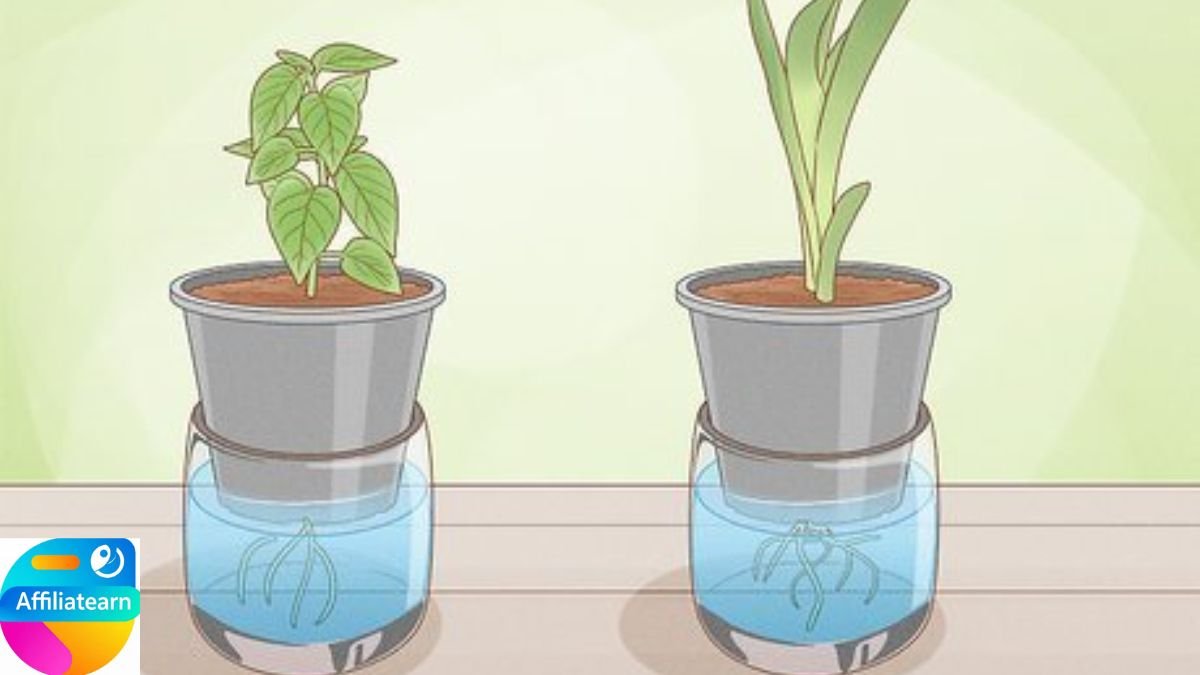
Plants that grow indoors do not tend to consume a lot of water as compared to their outdoor counterparts. They are not subjected to direct sunlight and heat. Due to it, care should be taken during watering. Indoor plants require ten to twenty minutes of water every week. This is however dependent on environment and type of plant. Hence, it is necessary to check soil moisture. Pots that have drainage holes would help to avoid water accumulation. Meanwhile, roots are healthy because of proper drainage.
Watering Outdoor Plants
Plants in the open air need more water as they are exposed to sunlight and wind. Due to this fact, the frequency of watering is increased in contrast to indoor plants. can require watering on a daily basis especially during summer. In the meantime, during winter, watering may be decreased. It is better to water in the mornings or evenings. As such, it aids in the minimization of water wastage in the form of evaporation.
Best Watering Techniques
One should water gradually but evenly. This enables the water to penetrate the roots of the plants. Due to this fact, deep watering is more effective than light watering which occurs regularly. Watering should not be applied on leaves. In the meantime, the soil should be sprayed with water. The flow of water is controlled by the use of drip irrigation systems or watering cans. Hence, it provides adequate watering.
Signs of Overwatering
The most widespread errors include overwatering. It has the ability to cause root rot and damage of plants. Due to this fact, it is significant to detect indicators at an early stage. Overwatering leaves are yellow in colour. Meanwhile, moist soil means that there is too much water. Slow growth may also occur. Thus, making the plants stop watering improves the health of plants.
Signs of Underwatering
Plants can also be damaged through underwatering. The signs include dry soil and hanging leaves. Due to this fact, plants might be weak. Leaves may turn brown or dry. Plant growth can be reduced in the meantime. These issues are avoided by watering on a regular basis. Hence, it is essential to balance the situation.
Seasonal Watering Guide
The requirements of watering vary. Plants need more water in summer, as it is too hot. Due to that, it needs frequent watering. The plant growth becomes slow in winter. In the meantime, there should be a decrease in watering. Natural rainfall could be sufficient during monsoon. Thus, no extra watering can be required. Regulatory watering based on the season is a way of ensuring the health of the plants.
Common Mistakes to Avoid
The most common mistake is to water the plants on a regular schedule. Since the needs of plants are different, it is more reliable to check soil. Drainage holes should be used on pots to avoid build-up of water. In the meantime, it can cause root damage. Neglecting the type of plants may also cause trouble. Plant requirements are, thus, important. These errors can be avoided to guarantee improved care of plants.
Benefits of Proper Watering
Healthy growth and development of plants is enhanced by proper watering. It assists the uptake of nutrients by plants. Due to this fact, plants develop well and healthy. It also avoids sicknesses caused by too much water. In the meantime, it guarantees the balanced development. Green plants improve living and garden conditions. Hence, it is necessary to water it properly.
Conclusion
Plants hold important to watering to achieve success in gardening. Plant knowledge and monitoring soil moisture is a way of keeping plants healthy. Plants may be made tough and beautiful by not overwatering and underwatering. Thus, amateurs are to pay attention to the mastery of the correct watering methods. In the meantime, plant health is insured in terms of long-term operation of adjusting the watering according to seasons and conditions.