How to Take Care of House Plants: Full Guide as a beginner

Introduction
Plants in the house introduce life, freshness and beauty. When growing plants indoors, there are many individuals who have problems with their proper maintenance. Due to this ignorance, plants can either cease to grow or even perish. It is not necessary to make a hard task of taking care of indoor plants. Through the proper knowledge, every human being can plant healthy and prosperous crops. Thus, it is significant to teach fundamentals when it comes to care methods to beginning learners. Plants also clean indoor air and make this place calming. In the meantime, they beautify houses and make living quarters livelier. This tutorial describes the process of caring about indoor plants.
Best Low Maintenance Plants at Home: Indoor Plants That use Less Water
Understanding Plant Needs
Basic needs in every plant are light, water, air and nutrients. Knowledge of these needs can be used to keep plants healthy. Due to this fact, better growth is guaranteed through proper care. There are different needs of various plants. There are those that require sunlight and there are those that do greatly thrive in the shade. Thus, it is necessary to select the appropriate plants to your area. Meanwhile, it is good to monitor your plants so as to determine their needs. Healthy vegetation thrives well and appears fresh.
Providing the Right Light
Plants need light to be able to grow. Direct or indirect sunlight is required by indoor plants of different types. Due to this reason, it is significant to locate plants in appropriate areas. Bright plants should be located close to the windows. Hence, they have the ability to get adequate sunlight. Plants which require low light can endure in the shaded regions. In the meantime, they sometimes have rotating plants to grow even.
Proper Watering Techniques
One of the most significant things in the care of plants is watering. Watering either too much or too little is harmful to plants. Due to this, there is a need to strike a balance. The top soil must be dry before the majority of the indoor plants are watered. Thus, pre watering soil moisture checks are useful. Pots with drainage holes are used to avoid the accumulation of water. In the meantime, the presence of excess water must be eliminated to prevent root damage.
Choosing the Right Soil
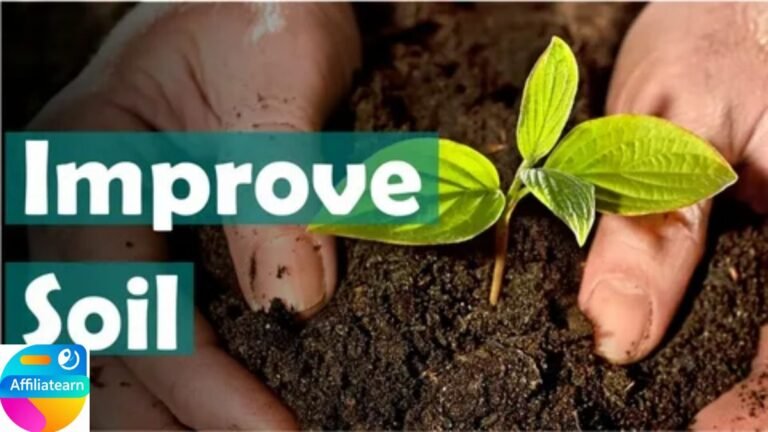
Plants are largely dependent on soil. Healthy soil is a source of nutrients and growth of roots. Due to this, it is significant to use good soil. Various soil types are needed by different plants. Others require well-draining soil whereas others like soil with high moisture content. Thus, the appropriate mix will enhance growth. Compost or organic ground improves the quality of soil. In the meantime, it serves important nutrients to the plants.
Keeping the appropriate temperature
The optimum temperature of plants is moderate. Plants may be harmed by extreme temperatures of either heat or cold. Owing to this fact, it is significant to maintain the plants in constant states. A majority of the indoor plants like temperatures ranging 18 to 30 degrees Celsius. As such, sudden changes can be avoided to ensure the health of plants. It is also important to keep vegetation out of the range of the heaters or air conditioners. In the meantime, better growth is realized in stable environments.
Hydraulic Surface and Air Circulation
Many of the indoor plants depend on humidity. Desiccated air may influence the growth of plants and dry leaves. Due to this reason, it is convenient to keep the level of humidity. Plants that are misted every now and then may raise humidity. Thus, it can be applied to tropical plants. There is also a need to have proper air circulation. In the meantime, it serves to prevent diseases as well as enhance the health of plants.
Fertilizing Indoor Plants
There are nutrients required by plants to grow. Fertilizers contain required nutrients including nitrogen, phosphorus and potassium. Due to this, plants can be fed on a regular basis to increase their growth. The best on indoor plants is organic fertilizers. Hence, they are effective and safe. The fertilizing should be in small quantities. In the meantime, excessive fertilization is detrimental to plants.
Cleaning and Pruning
Leaves on the plants are cleaned to enable them to take in light. It can be dust which blocks the sun and slows down growth. Due to this fact, it is necessary to wipe leaves regularly. The process of pruning involves the removal of dead or damaged plants. Thus, it stimulates the new development. Plants are maintained regularly. In the meantime, it makes them look better.
Repotting Plants
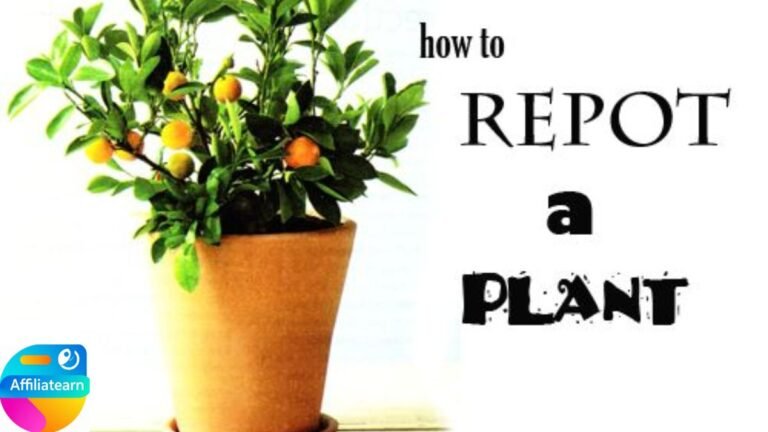
Growth of plants may occur out of the pots. In case of crowding of roots, the growth is reduced. Due to that, they have to be reported. Repotting offers the advantage of increased space of roots. Thus, plants have the opportunity to grow better. It is significant to take a slightly bigger pot. At the same time, fresh soil is healthier to the plants.
Popular Issues and Resolutions
The indoor plants can experience issues like the yellow leaves, pests or slow growth. Due to this, it is critical to detect the problems at an early stage. Plant problems are usually brought about by overwatering. Thus, this problem can be corrected with the help of watering. Pests can damage plants. In the meantime, they are controlled by using natural remedy. Frequent monitoring is a way of averting severe issues.
The Advantages of the Proper Care of Plants
Care of indoor plants is very advantageous. Health plants would enhance air quality and bring fresh environment. Owing to this, they improve living conditions. Plants also alleviate stress and ameliorate mood. In the meantime, they bring beauty to houses. Long life of plants is achieved through proper care. Consequently, it enhances pleasure in gardening.
Conclusion
It is easy to take care of the indoor plants provided that simple principles are taken into consideration. The knowledge of light, water, soil and temperature aids in having plants in a good state. Anyone can be successful in growing the indoor plants by offering adequate care and eliminating the prevalent pitfalls. Thus, newcomers can get off on a high note. In the meantime, indoor plants add up to home atmosphere and health.