Plant Repotting Step by Step: Simple Guide to Growing Healthy Plants

Introduction
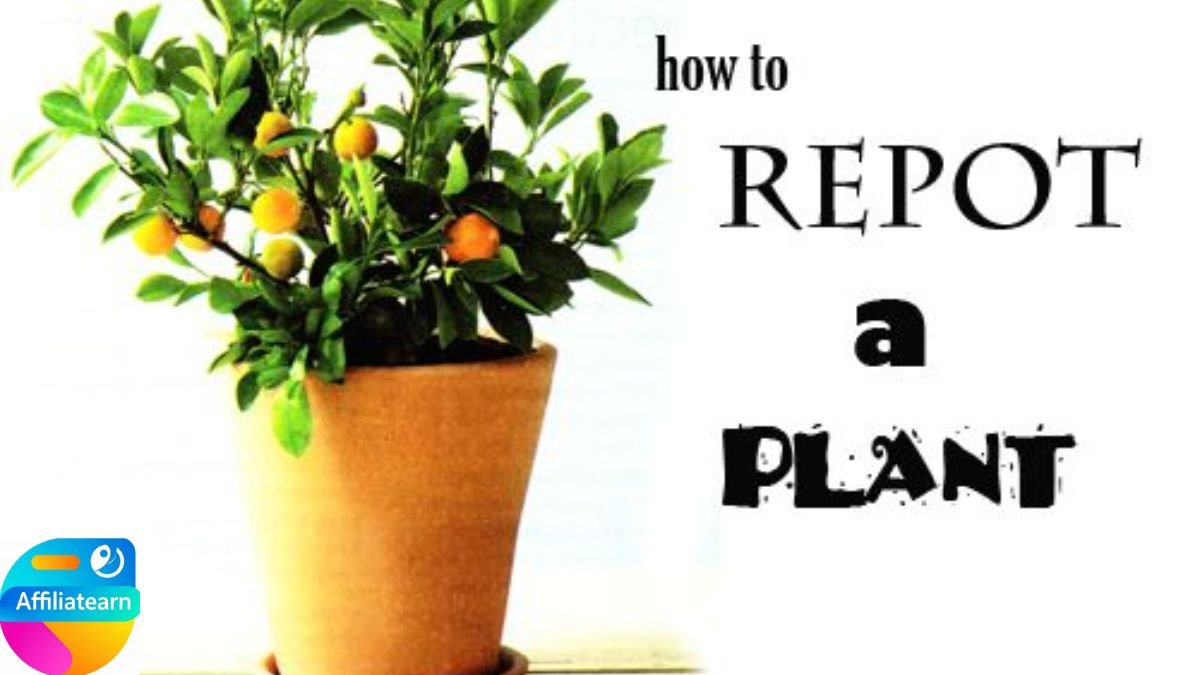
Repotting is another practice of maintenance of plants which many beginners overlook. Plants eventually become bigger than the pot in which they are kept and their roots require increased space. Due to this fact, the growth can be slowed down when the plants are not reported correctly. Repotting allows the soil to be refreshed and it also gives the roots increased space to grow. It enhances nutrient availability and general growth of plants. That is why it is necessary to learn the procedure of plant repotting. Some individuals are not confident about repotting but it is easy when taken in stages. In the meantime, correct repotting may be used to strengthen and make the plants healthier.
Problems and solutions with common plants: a complete guide to healthy plants
Why Repotting Is Important
Repotting enables plants to grow more effectively by creating more space to the roots. Roots get congested and are thus unable to absorb nutrients. Due to this, the growth of plants is reduced. The old soil might lose nutrients with time. In the meantime, a repotting gives new soil containing the necessary nutrients. Root diseases are also avoided through repotting. As such, it maintains healthy and strong plants.
Symptoms of When your plant needs repotting
Plants will also exhibit any form of repotting. The roots that are coming out of the drainage holes are an indication that the pot is not large enough. Due to this reason, the plant will require additional space. Slow growth is another sign. In the meantime, the soil can easily become dry when the number of roots is excessive. In case the plant becomes unstable or heavy on the top, repotting is required. Consequently, these signs can be observed in order to make the right action in time.
Choosing the Right Pot
The pot used to prepotent must be selected. The new pot must go a notch bigger than the old one. Due to this reason, roots receive sufficient space to develop. Drainage holes on the pots are necessary. In the meantime, they eliminate accumulation of water and root loss. Material also matters. Clay pots can be easily ventilated whereas plastic pots cannot.
Selecting the Right Soil
When repotting it is best to use fresh soil. Good soil contains nutrients and helps in root development. It is due to this, that the health of plants increases. Various plants need various types of soil. In the meantime, the appropriate mix guarantees improved results. Compost addition enhances the quality of soils. Thus, it contributes to the increased growth of plants.
Preparing for Repotting
Prepare all the tools before repotting e.g. a new pot, soil, and water. The process is therefore easier due to this. Light watering of the plant then repotting assists in loosening the soil. In the meantime, it simplifies the elimination of the plant. It is also essential to select a clean and safe workplace. Thus, the preparation will provide easy repotting.
The Extraction of the Plant Out of the Old Pot
Gently take out the plant in its previous pot. Carefully grab the bottom of the plant and lean the pot. It is due to this that the plant emerges undamaged. In case the plant is stagnant, tapping of the sides of the pot helps to loosen it. In the meantime, do not excessively pull so as to spoil the roots. The roots of the plant are safeguarded by removing the plant carefully.
Checking and Trimming Roots
On removal of the plant, examine the roots. The roots are supposed to be healthy and firm and white. Due to this, they Favor the development of plants. In case of roots which are tangled or damaged trim. In the meantime, the dead roots are removed, and this enhances the health of the plants. To grow well in the new pot, the connections of the root-bound plants are loosened. Hence, it is necessary to take good care of roots.
Installation in the New Pot
Add new soil on the bottom of the new pot. Put a plant in it and fill the surrounding with soil. It is due to this that roots receive adequate support. Make sure that the plant is straight and fine. In the meantime, do not press the soil too hard. It is good to leave a gap at the top in the case of watering. Hence, suitable positioning enhances development
Watering After Repotting.
Watering The plant should be watered as soon as reported. This assists in settling the soil and eliminating air spaces. Due to this reason roots are more adaptable. This is the stage of avoiding over watering. In the meantime, recovery can be sustained by moderate watering. Maintaining the soil at a moisture level is helpful in enabling plants to adapt.
Post Repotting Care
Prepotent plants can require adaptation. Stress can be decreased by keeping them in inappropriate sunlight. Due to this, it is easier to recover. No fertilizing right after repotting. In the meantime, it is significant to provide plants with some time to settle. Healthy growth is ensured by regular checking. Post-care is, therefore, important.
Common Mistakes to Avoid
The pot used should not be too big as this may result in overwatering. Due to this fact, the correct size is a point to be considered. Breaking roots in the process of removal may impact the health of plants. In the meantime, this problem can be avoided through gentle handling. Repotting and over watering are harmful to plants. Consequently, there is a need to balance. These errors can be avoided to guarantee successful repotting.
Benefits of Repotting
Repotting enhances the growth and well being of the plants. It offers new soil and more space on roots. Due to this fact, the plants become tougher. It also averts the diseases brought by old soil. At the same time, it enhances nutrient supply. Plants are healthy; therefore, they improve the home and garden environments. Thus, to take care of the plants, they need to be reported.
Conclusion
Another important process of taking care of healthy plants is repotting. It assists in enhancing growth, replenishing of soil, and root development. Plants can be easily reported by anyone doing simple procedures. Thus, it should not be feared by those who are new at it. In the meantime, the correct post repotting care will guarantee the health and growth of plants in the long-term.